Advanced driver assistance systems used to be a luxury feature. Now they sit behind almost every windshield and grille that rolls into a shop in High Point. Lane keeping, forward collision warning, adaptive cruise, blind spot monitoring, surround view cameras, traffic sign recognition, even night vision on some models - all of it depends on sensors that see the road the way a human does not. When a windshield is replaced, a bracket is disturbed, a bumper cover is removed, or a mount takes a slight knock, those sensors need to be reoriented to reality. That is what ADAS calibration does, and it is the difference between a safety feature that quietly works in the background and one that nudges you into the wrong lane by a few inches at 70 mph.
I spend a lot of my week between glass bays and calibration targets. The pattern is consistent. A driver with a cracked windshield finally schedules the replacement, often choosing Mobile auto glass in High Point because it fits around work and family. The new glass goes in cleanly, the bonding timer runs, the wipers go back on, and the dash lights up like a Christmas tree the first time the car starts. “Front radar temporarily unavailable.” “Lane departure unavailable.” “Driver assist restricted.” Nine times out of ten, the solutions are straightforward, but only if you respect how tightly ADAS ties into the physical positioning of glass and bodywork.
Why calibration matters after glass and body work
Every camera and radar has a defined field of view and a strict expectation of where “center” is. The forward camera that handles lane departure lives behind the windshield, either in a bracket glued to the glass or as part of a module that indexes to the frit band. Replace that windshield and you’ve changed the camera’s reference plane, even if the bracket looks unchanged. Radar sits behind the emblem in the grille or low in the bumper. Take off the bumper to repair a fog light and you’ve altered how that radar points by a fraction of a degree. Ultrasonics and corner radars face similar issues when fender liners are disturbed.
Those fractions of a degree matter. If the camera thinks the vanishing point is a hair to the left, lane centering will hug the stripe, not the center. If the radar yaw is off by one degree at highway distances, the vehicle will read a car in the neighboring lane as being directly ahead. I have seen a Toyota refuse to set adaptive cruise because the wrong adhesive thickness put the camera lower than spec by 2 millimeters, and a German crossover brake late in traffic because an aftermarket bumper cover had thicker plastic in front of the radar.
The short version for vehicle owners in High Point: if you have Windshield replacement in High Point, if your front bumper is removed, or if your alignment, ride height, or wheel size changes, ADAS calibration needs to be on the work order. Any shop that says otherwise is guessing, and guessing has no place where safety systems are concerned.
Static, dynamic, and hybrid calibration - what the car actually needs
Manufacturers prescribe procedures, and those procedures differ by brand and system. The main categories are static, dynamic, and hybrid.
Static calibration happens with the car sitting still, aligned to a set of targets in a controlled space. We place a board with a specific pattern at a precise distance and height, often measured to the millimeter with laser plumbs. The floor must be level, the tire pressures set, the fuel level within a range, the thrust angle correct. Some platforms need a steering wheel straight and locked, others want weight in the driver’s seat, and many require a battery maintainer to hold voltage steady. The car then uses the targets to teach the camera or radar what “straight ahead” and “level” look like.
Dynamic calibration happens on the road. The car needs to see lane lines at certain speeds, or follow traffic, or detect roadside objects. The scan tool puts the module into learning mode, and the technician drives a route that meets the conditions. This can be simple early in the morning on the 311 Connector with fresh paint lines, but impossible on a rainy evening with glare or a truck throwing dust. I have rescheduled dynamic calibrations because of low winter sun angles creating ghost lines, and I have seen a Ford fail to complete because the lane paint near a construction zone had been ground off.
Hybrid procedures combine both. Many newer vehicles ask for a static calibration of the forward radar then a dynamic validation drive. Some Subaru models want a static camera calibration followed by a road confirmation. Honda and Acura often require a static target procedure for the front camera after windshield work, plus a dynamic test to verify lane keeping. In practice, “hybrid” is becoming the rule rather than the exception.
The ADAS stack you’re calibrating, component by component
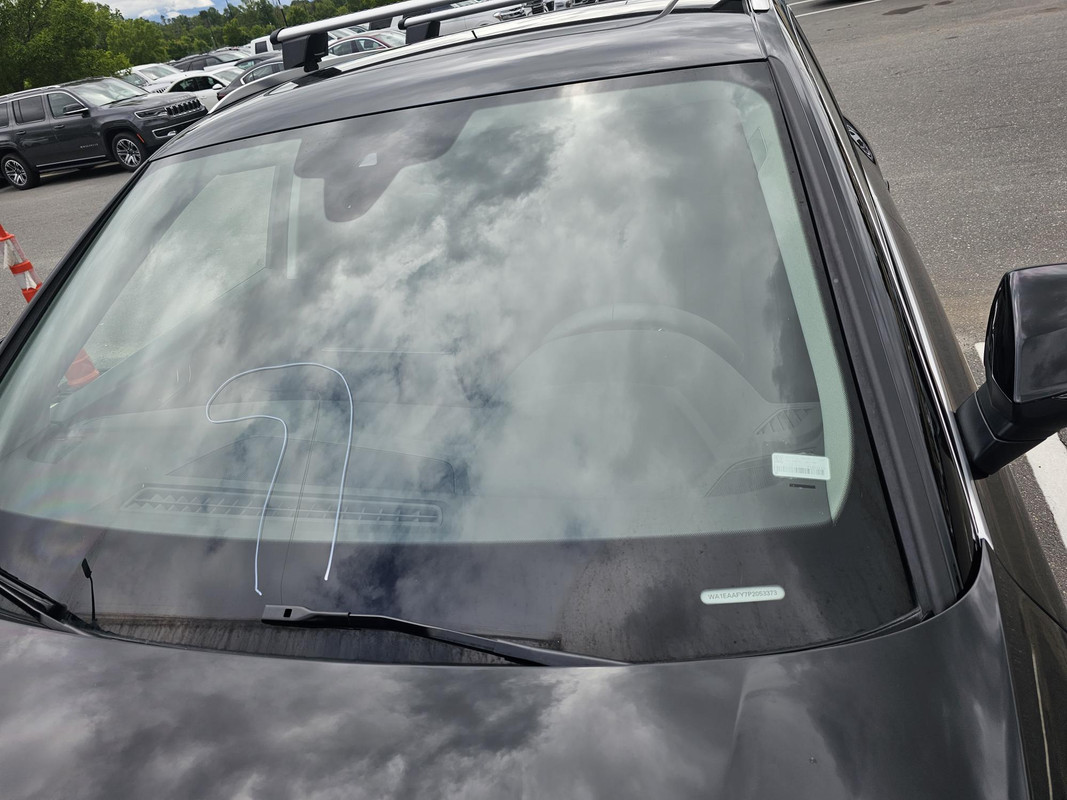
Forward facing camera behind the windshield: the brain for lane keeping, lane departure, traffic sign recognition, sometimes auto high beam. It is sensitive to glass clarity, curvature, bracket position, and tint near the frit. Any High Point auto glass repair that touches this area should assume calibration is required.
Forward radar in the grille or bumper: the source of distance measurement for adaptive cruise and AEB. It is sensitive to bumper cover thickness and paint, emblem materials, bracket straightness, and height from the ground. A slightly sagging bumper cover that looks cosmetic can throw it out of spec.
Corner radar in rear quarters: used for blind spot monitoring, rear cross traffic alert, sometimes for lane change assist. These modules point at a shallow angle. If a rear quarter panel repair changes the mounting tab angle, you get phantom alerts or dead zones.
Ultrasonic sensors in bumpers: park assist and low speed features. These are mostly plug and play, but certain models require relearn to set gain and echo profiles if covers or sensor housings are replaced.
Surround view camera suite: lenses under mirrors, in the grille, and at the tailgate. These need calibration to stitch images into a single bird’s eye view. Replace a side mirror glass or housing and expect to calibrate.
LiDAR is uncommon but slowly appearing. Night vision is rare, but when present it is extremely sensitive to aim.
When a vehicle comes in for Side window replacement in High Point, ADAS is usually not affected unless mirrors or trim with cameras are involved. However, window tint near the camera zone can be a problem, especially on vehicles that mount the camera lower than usual.
Why mobile service works well for glass, yet calibration often belongs in the shop
Mobile auto glass in High Point solves a real pain point. People do not want to sit in a waiting room while adhesive cures. A mobile install done by an experienced tech, using OEM or quality aftermarket glass and the correct urethane, is as strong as an in-bay install. The challenge begins with calibration logistics.
Static calibration requires a level floor, controlled lighting, and a clear area for targets at fixed distances. The alignment often spans 6 to 8 meters in front of the car. Parking lots introduce slope, shadows from trees, and wind. You can make it work with portable floors and lasers, but consistency suffers. Dynamic calibration can be done anywhere with good lane markings and steady speeds, though traffic and weather complicate matters.
For that reason, a common workflow is mobile installation followed by an in-shop calibration appointment. We bond the glass at your home or office, allow the urethane to reach safe drive-away time, then schedule you into Side window replacement High Point the calibration bay the next morning. On vehicles that allow pure dynamic calibration of the camera, we sometimes complete the calibration in the field, provided the route nearby meets the OEM criteria and the scan tool confirms success. If the dash shows faults or the procedure does not complete within the prescribed time or distance, we bring the car in.
If a shop offers same day mobile replace and calibrate on every make, ask how they manage static targets and floor leveling. The answer matters more than the convenience.
What a correct calibration session looks like
I like to walk owners through the process once, so expectations are clear. The car rolls in with the new windshield installed and the trim set. We check tire pressures, fuel level, ride height, and confirm there is no cargo that changes the rear squat. The steering wheel is centered, and the suspension is bounced to neutral. A battery maintainer goes on to hold voltage; some ECUs throw calibration faults if voltage dips below about 12.4 volts during the procedure.
The laser alignment system comes out. We center the car relative to the bay, set the distance from the front hub centerline to the target bar within the required specification, and check the height of the target board relative to the ground and to the camera optical axis. Every manufacturer publishes these numbers, and they vary even within a brand. The scan tool then identifies the module and starts the calibration. The car uses the targets to learn its orientation. If a windshield bracket sits 3 mm higher than expected, the camera will report it. If the bracket is off rotation relative to the glass, you will see a yaw error and have to take the trim back off.
On forward radar, a reflector or metal target is placed at exact distances. The radar reads the target at several points. Incorrect bumper cover paint thickness, a warped emblem, or a bent bracket will show up as poor signal or angle errors. A surprising number of false failures come from chrome license plate frames and toll tags interfering with the radar beam. We remove those during the setup.
Once static steps complete, we take a road test to confirm real world performance. The scan tool logs data while we drive a route with good lane markings. ADAS calibration in High Point goes smoothly on sections of Eastchester and Wendover with fresh paint, less so near construction zones. If the car fails to see lines at speed, we return and check the camera area for smudges or glass distortion. Quality glass matters here. The cheapest windshield can introduce slight optical waviness that confuses the camera in certain light. You will feel it in the way lane keep wanders.
Aftermarket glass and brackets, what is safe to use
I am not in the camp that says only OEM glass works. Many aftermarket manufacturers produce excellent windshields with the right curvature, frit, and camera mount geometry. The key is choosing the correct part number with the right features: acoustic interlayer, solar coating, rain sensor window, heated area, and the camera bracket style that matches the vehicle build. The difference between success and a day of frustration often comes down to the bracket’s position and rigidity. If the bracket is bonded to the glass in the wrong spot, no amount of calibration will hide it. If the bracket flexes, the camera will vibrate and create intermittent faults on rough roads.
If you’re price shopping Windshield replacement in High Point, ask two questions. First, does the glass include the correct camera mount and coatings for my VIN? Second, will you calibrate the camera and radar to OEM procedures, and can you show me the post-calibration reports? A shop that invests in targets, scan tools, and training will answer yes without hesitation.
Edge cases that trip up even experienced techs
Windshields with heads up display can have different optical properties. Install a non-HUD windshield on a HUD vehicle and the image doubles and the camera sees ghost lines. We have fixed more than one car after a well-meaning shop installed the wrong part.
Vehicles with adjustable ride height or aftermarket springs need extra attention. The calibration expects a certain height from ground to camera. If the car sits 25 mm lower, the camera angle changes. We can still calibrate, but we need to set the procedure up with the actual ride height, and sometimes adjust the target height accordingly. The same goes for trucks with leveling kits. Do not assume the factory numbers apply after suspension changes.
Heated wiper park areas sometimes fog and create a distortion strip directly in front of the camera. If the defroster wiring pattern sits under the camera field of view, it can cause moiré effects in some lighting. Correct glass placement and clean frit edges minimize this, but I have seen it on a few models where the heater zone runs high.
Camera cleanliness matters more than people think. Fingerprints on the inside of the windshield behind the camera can cause failed calibrations or later, nighttime shimmer that the system interprets as lane markings. The area around the camera needs a careful final clean with the right glass cleaner that leaves no residue.
Software versions can change requirements. Dealers and independent shops see service bulletins that alter calibration distances or add steps. A Volkswagen radar procedure that used to be one target now calls for two. A Mazda camera that used to be dynamic only now has a static step added. If a shop’s tooling is not updated, you will be stuck in a loop.
Liability and documentation, what a good shop hands you
After calibration, you should receive a printed or digital report. It lists the modules calibrated, the date, the tool version, and pass or fail status. Some brands provide exact yaw or pitch corrections. If a shop replaces your windshield and does not give you calibration documentation, press the issue. Insurers expect it, and it protects both sides. I make a point of test driving with the customer when possible, especially if the vehicle’s behavior felt off before the glass work. They know their car’s habits, and that feedback helps catch subtle issues like overactive steering corrections or late adaptive cruise engagement.
Cost, time, and what to budget in High Point
Pricing varies by vehicle and system count. For a straightforward forward camera calibration after windshield replacement, expect 45 to 90 minutes once the car is in the bay, plus the road test. Radar adds time. Surround view can turn into a multi-hour session if mirrors or multiple cameras were replaced. Costs in High Point typically range from a couple of hundred dollars for a single camera calibration to higher numbers when several systems need attention. If your insurance is covering glass replacement, ask about calibration coverage. Most carriers recognize that ADAS calibration is part of the job now, not an optional extra.
Mobile service can save you a trip for the glass, but factor in a visit to the shop for calibration unless your vehicle supports dynamic-only procedures and the conditions cooperate. When timing matters, schedule the calibration at the same time as the glass work so you’re not waiting days with limited driver assistance.
How ADAS interacts with alignment and tires
You can calibrate a camera on a car with a crooked steering wheel, but you shouldn’t. Lane keeping uses the camera’s view and the steering angle sensor. If thrust angle or toe is off, the system will fight the geometry, and you will feel it as a tug or continual correction. If we see uneven tire wear or a misaligned steering wheel, we talk alignment before calibration. New tires with a different overall diameter than the originals can also change dynamic calibration behavior until the system relearns. On vehicles that allow it, a module reset and drive cycle can speed the adaptation.
For owners: how to make calibration smoother
- Bring the car with a half tank of fuel and correct tire pressures. Remove roof racks and cargo that change weight distribution. Wash the windshield near the camera and remove dash accessories that reflect into the glass. Leave toll tags and transponders off until after radar calibration. Budget time for both static calibration and a road validation. If weather or traffic prevents a dynamic procedure, plan to return. If your car has suspension or bumper modifications, mention it during scheduling. We can plan target heights and address bracket issues early. Ask for the calibration report and drive with the technician if possible. Your impressions help catch subtle quirks.
Where High Point auto glass repair fits into the bigger safety picture
Glass is part of the safety cage. It holds airbags in position, supports the roof in a rollover, and carries the brain of your driver assistance features. A quality installation is not just about a clean bead and a rattle-free cowl, it is about creating the precise optical and mechanical base that ADAS expects. Shops that handle both Windshield replacement in High Point and ADAS calibration in High Point under one roof simplify that equation. They can control parts selection, adhesive cure times, bracket inspection, and calibration without handoffs or mismatched accountability.
If you prefer mobile service, choose a provider that treats calibration as integral, not optional. The convenience of on-site glass should flow into a well-planned calibration appointment, not leave you chasing warning lights.
A brief look at future trends that already affect service today
Manufacturers are consolidating sensors and adding redundancy. Cameras get higher resolution. Radar bands shift and add angle sensing. Some brands fuse camera, radar, and LiDAR data tightly enough that a calibration on one component demands a multi-module procedure. Over the air updates are already changing calibration tolerances and adding features to existing hardware. All of this means the bar for equipment and training continues to rise. It also means cars get better at tolerating small changes, but they become less forgiving of sloppy installs. The field is moving quickly, and shops in High Point that invest now will give their customers safer cars and fewer return visits.
When to say no, and when to ask for a second look
I have refused to calibrate a radar behind a cracked emblem and sent the customer for a correct replacement. I have pushed back when a bumper reinforcement was bent and a bracket would only “almost” line up. I have ordered a different brand of windshield when the first one introduced a distortion band in the camera zone. These decisions cost time in the moment, but they save headaches and hazards later. If your car returns from a job and the driver assistance behaves differently in a way that makes you uneasy, call the shop. Ask for a recheck. Good teams would rather spend an extra hour to get it right than have you white knuckle it on I‑85.
Cars keep more of us out of trouble than most drivers realize. The systems that make that happen depend on pieces that are, in the literal sense, transparent. Treat the glass and the sensors behind it with the precision they deserve. Whether you choose a mobile install or a shop visit, whether you need Side window replacement in High Point or a full front end repair, make calibration part of the plan. The road will feel calmer, the warnings will be quieter, and the car will do its part exactly when you need it most.